



Trying
Myth: you can only get pregnant on the day you ovulate
One of the biggest misunderstandings when you are trying to conceive is thinking you need to have sex on the exact day you ovulate. You do not. Some of your most fertile days happen before ovulation.
Reviewed by Courtney Garland, NICU Registered Nurse, IBCLC Lactation Consultant and Paediatric Sleep Consultant
If you are trying to conceive, one of the biggest misunderstandings is thinking you need to have sex on the exact day you ovulate.
You do not.
In fact, some of your most fertile days happen before ovulation.
Understanding that can completely change the way you think about your fertile window and take some of the pressure off trying to find one perfect day each month.
Can You Only Get Pregnant on Ovulation Day?
No.
Your fertile window lasts for several days because sperm and the egg survive for very different amounts of time.
Once an egg is released during ovulation, it is usually viable for around 12 to 24 hours.
Sperm, however, can survive for several days inside the female reproductive tract when the conditions are right.
That means sperm can already be there waiting when the egg is released.
And that is the important part.
You do not need to perfectly predict the exact moment you ovulate.
If you are trying to conceive, the days leading up to ovulation matter too.
When Is Your Fertile Window?
Your fertile window generally includes the five days before ovulation and the day of ovulation, with timing varying slightly from woman to woman.
This means a large part of your opportunity to conceive happens before the egg is released.
If you have sex a few days before ovulation and sperm survive until the egg is released, fertilisation can still occur.
So I want you to think about your fertile window exactly as the name suggests.
A window.
Not one single moment.
Why Cervical Mucus Matters
One of the most useful fertility signs your body gives you is your cervical mucus.
As you move closer to ovulation and oestrogen rises, your cervical mucus usually begins to change.
You may notice it becoming wetter, clearer, more slippery or more stretchy.
You may have heard this described as egg white cervical mucus.
This type of cervical mucus helps create a more sperm friendly environment and can help sperm survive and move through the reproductive tract.
That is why cervical mucus can be such a useful sign that your fertile window may be opening.
Your body is already giving you information.
Learning how to recognise those changes can tell you a lot more than simply looking at a date on a calendar.
Should You Wait for a Positive Ovulation Test?
No.
An ovulation test detects a rise in luteinising hormone, usually called LH.
That LH surge generally happens shortly before ovulation.
So LH testing can be incredibly useful, but I do not want you to think of a positive test as the very beginning of your fertile window.
By the time your LH test turns positive, you may already have been fertile for several days.
That is why it helps to look at more than one sign.
Your cervical mucus may begin changing before your LH surge.
Your LH test can then help show that ovulation may be getting closer.
And your basal body temperature can help show that ovulation has likely already happened.
They each tell us something different.
Does Ovulation Always Happen on Day 14?
No.
Ovulation does not automatically happen on day 14 of your menstrual cycle.
That idea usually comes from the textbook example of a 28 day cycle, but real cycles do not always behave that way.
Some women have shorter cycles.
Some have longer cycles.
And your own cycle can change from one month to the next.
Stress, illness, travel, breastfeeding, coming off hormonal contraception and other changes can all affect when ovulation happens.
So counting forward 14 days from the first day of your period is not a reliable way to know exactly when you are ovulating.
Your cycle dates are useful.
They are just not the whole picture.
How Can You Tell When You Are Ovulating?
This is why I prefer looking at several signs together.
Your period history helps us understand your usual cycle length.
Your cervical mucus can help show when your fertile window may be opening.
Your LH test can help show that ovulation may be approaching.
Your basal body temperature can help show the temperature shift that usually happens after ovulation.
None of these gives us every answer on its own.
But together, they can give you a much clearer understanding of what is happening in your cycle.
How Tracking Your Cycle Can Help
This is where tracking becomes really useful.
Inside The Mama Years, you can log your period, cervical mucus, LH tests, basal body temperature and other changes you notice throughout your cycle.
The more consistently you track, the easier it becomes to see your own patterns.
You may notice that your cervical mucus starts changing around a similar time each cycle.
You may see that your LH surge usually follows.
You may notice a temperature rise afterwards.
Or you may realise that your ovulation timing moves around more than you thought.
That information matters because fertility tracking should not just give you a predicted date.
It should help you understand your own body.
The more cycles you log, the more information we have to help you recognise your likely fertile window and understand when ovulation may be approaching or may have already occurred.
When Should You Have Sex If You Are Trying to Conceive?
You do not need to wait until you know you are ovulating.
If you are noticing signs that your fertile window may be opening, particularly changes in your cervical mucus, that can be a good time to start trying.
You can continue through the fertile window and around the time of your positive LH test.
The goal is not to perfectly hit one specific hour.
The goal is to give sperm the opportunity to already be present when ovulation happens.
That is a much more realistic way to think about timing when you are trying to conceive.
Use The Mama Years to Learn Your Fertile Window
The most important thing I want you to take from this is that your fertile window is not one day and ovulation is not something you need to guess from a calendar alone.
Your body gives you signs.
And inside The Mama Years, you can actually learn what those signs mean and track them as they happen.
You can log changes in your cervical mucus and use our resources to understand what different types of cervical mucus may mean.
You can record your LH tests and start recognising when your surge usually happens.
You can track your basal body temperature and look for the temperature shift that can happen after ovulation.
And you can log your period so we can start building a clearer picture of your usual cycle length and patterns over time.
Each piece gives you information.
But when you start putting them together, that is when your cycle begins to make much more sense.
The goal is not to give you one perfect date and tell you that is your chance.
The goal is to help you understand your own fertile window, recognise the signs your body is giving you and feel more confident about when ovulation may be approaching.
That is what I want fertility tracking to do for you.
Not make you obsess over one day.
Help you understand your body.
The Mama Years is clinically reviewed by Courtney Garland, NICU registered nurse and lactation consultant. The information provided is general education and does not replace personalised medical advice. If you have concerns about your menstrual cycle, fertility or how long you have been trying to conceive, speak with your doctor or fertility healthcare professional.
You might also like

Pregnancy
1 Week Pregnant: The Egg's Story That Began Before You Did
Before the positive test. Before the missed period. Before you even suspected anything had changed, there was already a story unfolding inside your body.
Pregnancy
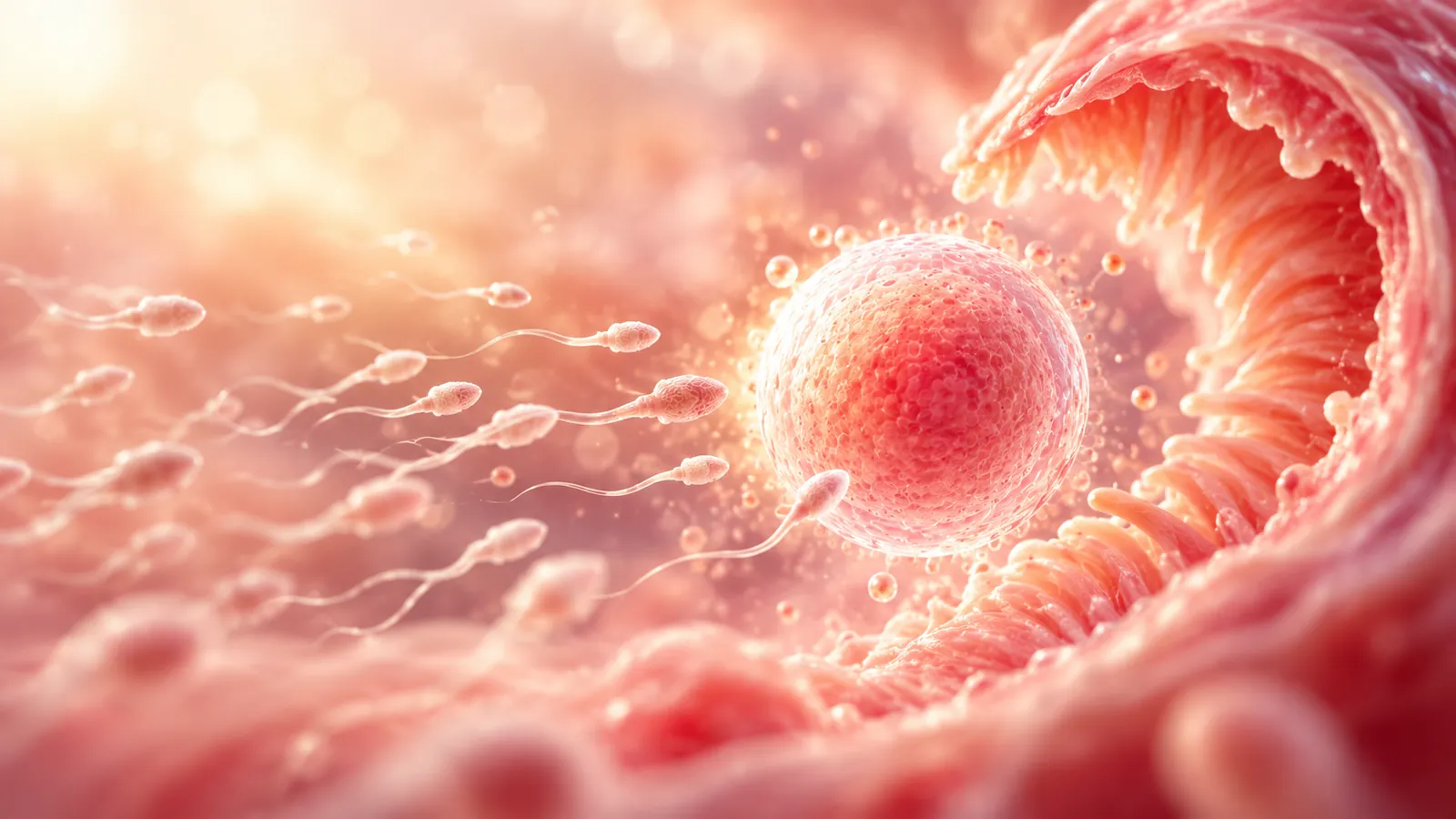
2 Weeks Pregnant: The Greatest Race You Will Never See
Last week, the egg waited. This week, it is finally set free, and the most extraordinary race in all of nature begins.
Pregnancy
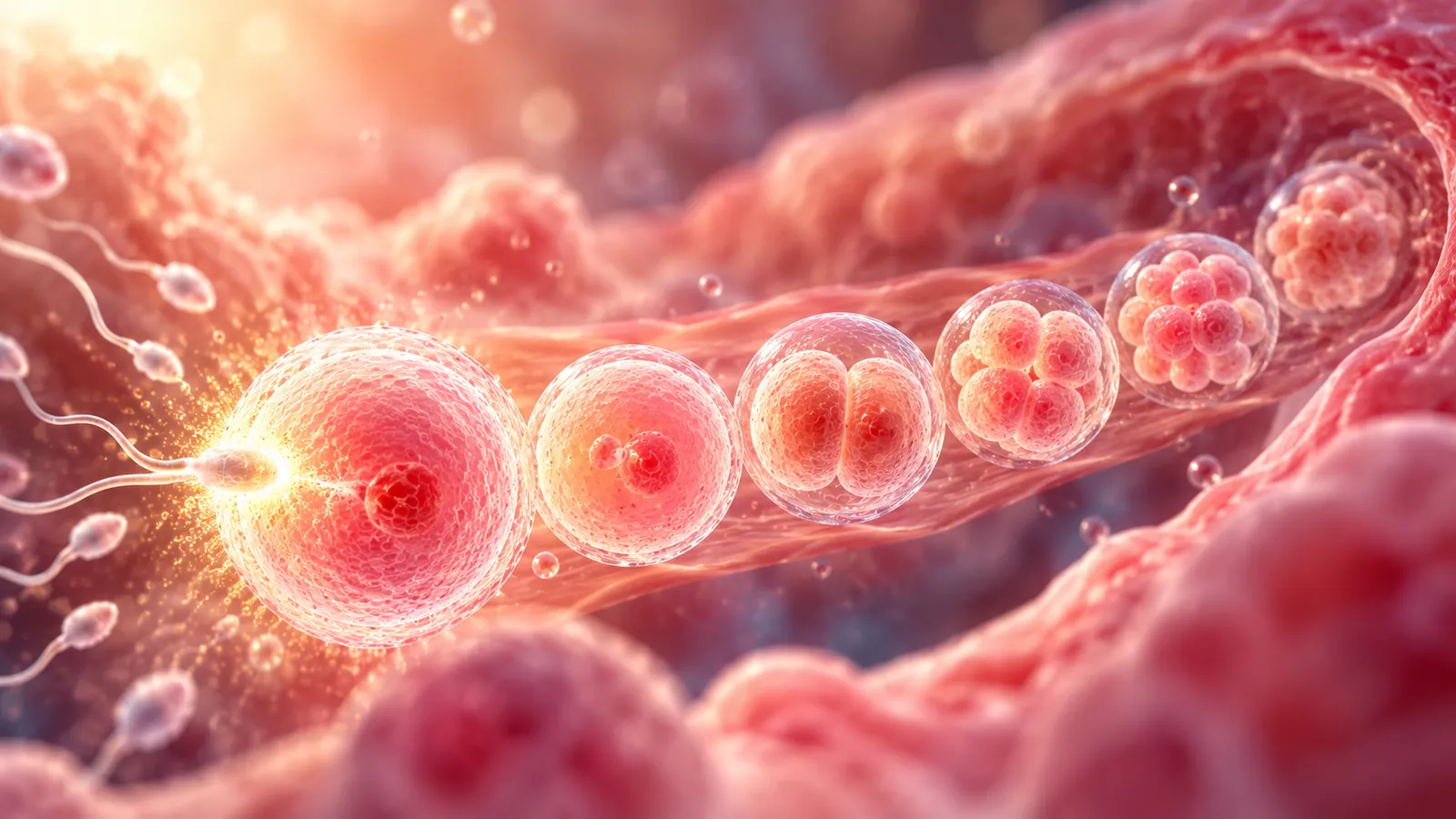
3 Weeks Pregnant: The Week You Might Quietly Become a Mother of Two
Last week ended on a cliffhanger. The race was won, and one tiny sperm was pressed against the egg, about to break through.
Trying for a baby?
Track your cycle, find your fertile window and get support for the questions that come up while you are trying, in The Mama Years.
Open The Mama Years